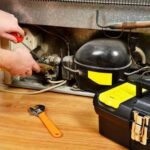
A washing machine leak is more than just an issue. Even a tiny leak can result in water damage to nearby appliances, walls, and floors if it is not fixed. Many homeowners believe that a leak indicates that the washer is malfunctioning, but in actuality, most leaks are caused by simple, repairable problems. You may save money, time, and needless frustration by knowing why your washer is leaking and how to fix the issue. At Appliance Repair Specialist the Villages, we make sure to guide you through every step of whether your washer is leaking and how to fix it.
Loose or Damaged Water Hoses:
Worn and damaged water hoses are one of the most frequent causes of water leaks in the washer. Over time, vibration or pressure changes may cause the hoses that supply water to your washing machine to come loose. Rubber hoses may also develop tiny fissures or bulges that cause slow leaks or abrupt bursts. Leaks can be avoided before they begin by routinely inspecting hoses and replacing them every few years. Upgrading to braided stainless steel hoses and tightening loose connections will increase longevity and peace of mind.
Faulty Lid Seal or Door:
In order to keep water inside during cycles, front-loading washers use a rubber gasket around the door. This seal can build up dirt, detergent residue, or tiny particles over time, making it difficult for it to close correctly. Water can potentially leak through gasket rips or cracks. Maintaining a tight seal requires routine cleaning and damage inspection. To stop leaks and prevent the spread of mold around the door area, it is essential to replace any broken gaskets as soon as possible.
Clogged Drain Pump:
After every cycle, the drain pump drains the washer of its water. Water may back up and start leaking from the bottom if the drain pump is clogged with lint, coins, or tiny pieces of cloth. The pump can also become misaligned occasionally. Minor problems like these can be fixed by cleaning the pump regularly and looking for any obstruction. Professional help is the best option out there if your pump is completely damaged.
Overloading the Washer:
Overloading your washer might lead to excessive movement during the spin cycle, which can stress internal parts or cause water to splash out. Leaks may also result from strain on the tub seal or hoses caused by heavy or imbalanced loads. By distributing clothing uniformly and adhering to the manufacturer’s load recommendations, strain is lessened, and water is kept where it belongs.
Detergent Issues and Excess Suds:
Excessive suds that pour out of the washer can be caused by using the incorrect kind or too much detergent. Machines with high efficiency are particularly vulnerable to detergent concentrations. Vents or door seals may allow extra foam to escape, giving the impression that the washer is leaking. This issue can be resolved, and overall washing performance can be enhanced by carefully measuring and switching to the appropriate detergent.
Cracked Tub or Internal Seal Failure:
Rarely, leaks might result from internal seal failure or washer tub cracks. These problems can get worse with time and frequently cause water to collect beneath the machine. Since repairs can be difficult and expensive, tub cracks typically need to be evaluated by an expert. Early detection can assist in deciding if replacement or repair is the preferred course of action and stop additional harm.
How to Prevent Future Washer Leaks:
The first step in preventing washer leaks is routine maintenance and inspection. Using the right detergent, cleaning seals, and inspecting hoses are all ways to ensure dependable operation. You can identify issues early by keeping an eye out for strange sounds, vibrations, or wetness near the machine. You can prolong the life of your washer and avoid unplanned malfunctions by scheduling routine professional checks.
Conclusion
A leaking washer doesn’t always mean expensive repairs or replacement. Often, a straightforward problem like a loose hose, blocked pump, or damaged seal is at the root of the issue, and Appliance Repair Specialist The Villages can assist you. We assist in preventing water damage to your house and maintaining the effectiveness of your appliance by determining the most frequent causes of washer leaks and quickly fixing them. When in doubt, rely on Appliance Repair Specialist The Villages to find a safe, accurate, and cost-effective solution. Give us a call now to arrange your service.
Frequently Asked Questions:
1. Is using a leaking washer safe?
No, prolonged exposure may worsen the underlying problem and result in water damage.
2. Why is my washer’s bottom leaking water?
This frequently points to an internal seal failure, a hose leak, or a drain pump problem.
3. Can leaks result from using too much detergent?
Indeed, the washer may overflow and discharge extra suds.
4. How frequently ought washer hoses to be changed?
Every three to five years, or sooner if wear is apparent.
5. Should I replace or fix a washer that is leaking?
While minor leaks can typically be fixed, serious internal damage could require replacement.